

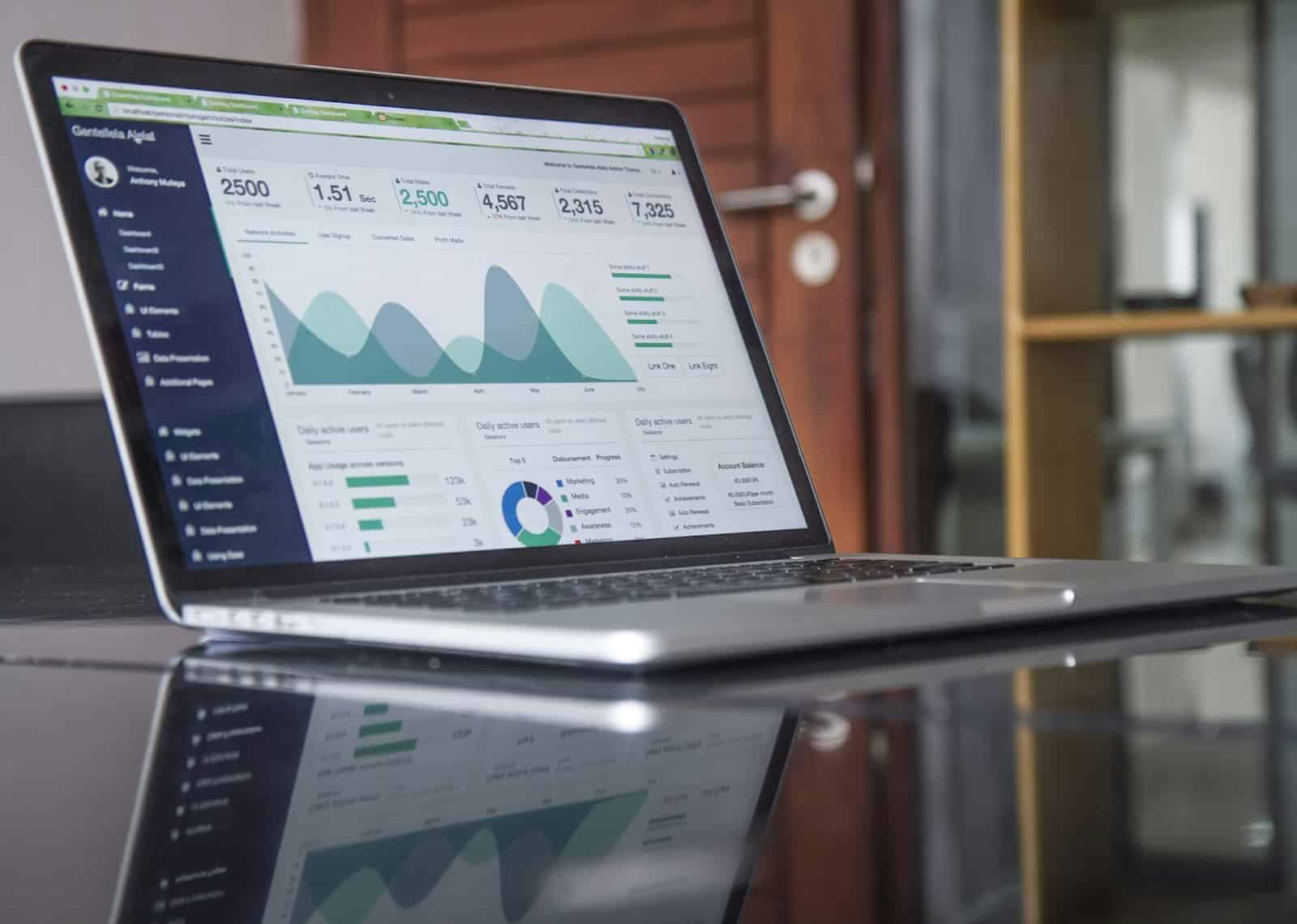
“Bookkeeping” conjures images of dusty ledgers, but the reality is simple — it is the orderly recording of every dollar that enters and leaves your business. Done well, it spares you penalties, shrinks your accountant’s bill, maximizes your deductions and tells you the truth about your business’s health. Here is Bookkeeping 101 for Quebec’s self-employed workers and small businesses: what to record, how, and how often.
Bookkeeping vs accounting: what’s the difference?
Bookkeeping records transactions day by day: invoices issued, expenses, payments received, taxes. Accounting then puts that data to work: financial statements, tax returns, planning. In other words: bookkeeping happens in-house and continuously; your accountant steps in periodically, on clean books. The cleaner your books, the lower the fees.
Rule #1: separate personal and business finances
THE foundation of everything. Open a bank account reserved for the business (and ideally a dedicated credit card), even though nothing legally forces a sole proprietor to. The benefits are immediate:
- every transaction in the account is a business transaction — reconciliation becomes trivial;
- no deductible expense drowned among groceries and nights out;
- in a tax audit, you never expose your personal finances.
What your books must contain
| Record | Content | Ideal frequency |
|---|---|---|
| Sales | Invoices issued, numbers, dates, taxes collected | With every invoice |
| Expenses | Purchases with receipts, category, taxes paid | As they happen (photo of the receipt) |
| Payments received | Amount, method, related invoice | With every payment |
| Receivables | Who owes what, since when | Weekly review |
| GST/QST | Collected vs paid (ITCs/ITRs) | Automatic if your tool does it |
| Bank reconciliation | Books vs bank statement | Monthly |
The routine that changes everything: 20 minutes a week
Bookkeeping is not something you catch up on — it is something you maintain. A realistic routine:
- Daily (2 minutes): photograph the day’s receipts, send invoices that are due;
- Weekly (20 minutes): enter/validate expenses, chase overdue invoices, glance at receivables;
- Monthly (30 minutes): bank reconciliation, month-in-review (sales, expenses, profit);
- Quarterly: GST/QST return if applicable, tax instalments (see our guide);
- Yearly: annual reports for the T2125/TP-80, document archiving.
The truth test: if someone asked you right now “what’s your profit since January?”, could you answer within two minutes? If not, your books are behind.
Bank reconciliation: your safety net
Once a month, compare your books against the bank statement: every transaction on the statement must exist in your books, and vice versa. That is what catches forgotten expenses, unrecorded payments, duplicates and bank fees that slipped by. A monthly reconciliation takes 15 minutes; finding a single forgotten expense pays for it.
Supporting documents: six years, well filed
The CRA and Revenu Québec require records and supporting documents to be kept for six years after the end of the taxation year. Digital is accepted: a legible photo of the receipt, attached to the transaction in your tool, beats a thermal original that fades. To know which expenses deserve close tracking, see our guide to deductible expenses.
Spreadsheet or software?
A spreadsheet works… as long as the volume is tiny and you charge no taxes. As soon as GST/QST enters the picture, invoices pile up and reminders begin, the spreadsheet becomes a liability: broken formulas, miscalculated taxes, manual numbering, no audit trail. Software built for Quebec like InnoBooks removes those risks:
- ✅ Invoices and expenses in one system, taxes calculated automatically;
- ✅ Receipt photos attached to every expense — archiving happens by itself;
- ✅ Receivables and reminders visible at a glance;
- ✅ Real-time reports: sales, expenses, profit, taxes to remit;
- ✅ Accountant-ready export at year-end — no shoebox required.
Frequently asked questions about bookkeeping
Am I legally required to keep books as a self-employed worker?
Yes. The law requires anyone operating a business to keep adequate records establishing income and expenses, with supporting documents. The format is up to you (paper, spreadsheet, software), but the obligation is real.
Do I need to hire a bookkeeper?
Not necessarily at first: with a good tool, a self-employed worker can handle bookkeeping in under an hour a week. The tipping point comes with volume (employees, inventory, dozens of daily transactions) — delegate then, but remain the person who understands the numbers.
What is double-entry accounting?
Every transaction touches two accounts (a debit and a credit): it is the standard behind proper financial statements. Good news: modern software applies double entry behind the scenes — you record an invoice, it takes care of the journal entries.
My books are six months behind. Where do I start?
Download your bank and credit card statements, process one month at a time categorizing every transaction, and book two-hour blocks. Then adopt the weekly routine — the backlog never returns once data entry becomes a reflex.
Bottom line
Bookkeeping is not a tax chore: it is your business’s dashboard. A separate business account, entries made as you go, a monthly reconciliation and documents kept six years — with that, you are ready for the accountant, for the tax authorities and, above all, for your own decisions.
Also worth reading: the InnoBooks GST/QST summary, which adds up the tax collected and the tax paid for the period you file.
Want impeccable books without giving up your evenings? Try InnoBooks for free — bookkeeping designed for Quebec small businesses.